
Regenerative Braking in EVs: What It Is and How It Works
If you're considering becoming an Electric Vehicle service technician, you'll need to understand the regenerative braking process and how it differs from traditional braking. In addition, you will need to become familiar with the role of the motor controller and other related technical systems involved in the regenerative braking.
Key Takeaways:
- Regenerative braking turns kinetic energy into electrical energy, thus recharging the vehicle's battery.
- Most EVs use a combination of hydraulic brakes and regenerative brakes.
- The use of regenerative brakes helps minimize the wear and tear on the vehicle's traditional friction brakes.
- Regenerative braking can improve the vehicle's efficiency and driving range.
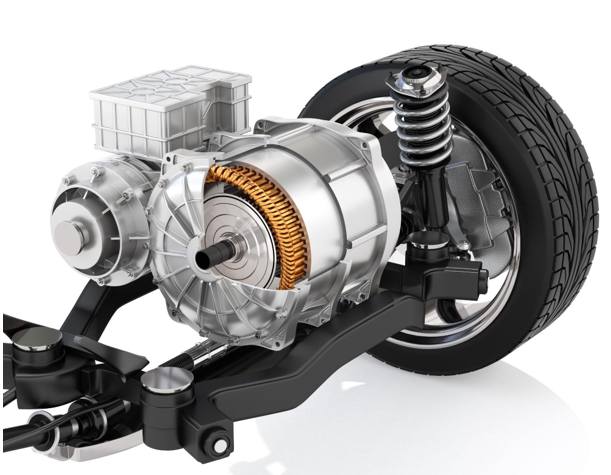
What Is Regenerative Braking?
Regenerative braking is a system of turning kinetic energy into electrical energy to charge the EV's battery. Regenerative braking happens when the vehicle's motor controller uses the electric motors that propel the vehicle as a generator to charge the battery. Although regenerative braking doesn't improve range dramatically, this replenishment of battery charge can add up, especially on longer rides.
Regenerative brakes can work together with traditional friction brakes. This type of braking also works when the vehicle is coasting, causing the vehicle to come slowly to a complete stop by simply lifting your foot off the accelerator.
How Traditional Friction Braking Works
Hydraulic braking systems use fluid pressure to create a force that pushes brake pads against rotors. This causes the rotational energy of the wheels to turn into heat, thus stopping the vehicle. Friction braking generates wasted energy and causes natural wear and tear on the brake components. This is why traditional hydraulic brakes need regular replacement.
Key Differences Between Regenerative and Friction Braking
Regenerative braking recovers energy from the braking process using interacting electro-magnetic fields — energy that is wasted as heat in traditional friction braking.
Drivers who are used to traditional friction braking can often feel the difference between regenerative braking and friction braking, especially in early models of EVs. In today's EVs, regenerative and friction braking blend easily for a smoother driving experience.
Regenerative braking improves hybrid vehicle fuel efficiency and extends the EV's driving range. At lower speeds, regenerative braking is less effective because the vehicle produces less kinetic energy. Friction braking provides no recoverable energy and offers heat and wear for byproducts.
The Basics Of Regenerative Braking
Regenerative works when the driver releases the accelerator or when the brake pedal is applied. During regenerative braking, the vehicle begins to decelerate, and operation switches from drive mode into generator (dynamo) mode. This converts the kinetic energy into an electrical current (using magnetic fields and motion), which is then used to charge the battery.
Regenerative brakes can be used to stop the vehicle without friction brakes, so some refer to regenerative braking as "one-pedal driving." To stop the vehicle, simply release the accelerator.
In reality, most drivers do need to engage the friction brakes regularly. Many vehicles offer multiple regenerative braking options, allowing the driver to select how their regenerative braking works and when, giving the driver more control over the driving experience.
Diagnostic and Service Considerations for Technicians
While regenerative braking does improve vehicle performance in many ways, it's not a perfect system. Here are some of the problems that drivers experience with their regenerative brakes:
- Friction brake trouble: Friction brakes can experience problems like rotor rust and pitting because the pads don't scrub the rotors as often, leading to salt and debris that cause rust and corrosion.
- Less effective in cold weather: Many EVs use regenerative braking less when the weather outside is very cold.
Maintenance Routines for Vehicles With Regenerative Brakes
Typical regenerative brakes need an annual inspection. For drivers who rely heavily on one-pedal braking, it's important to use the friction brakes occasionally to keep them clean and functional. Friction brakes that aren't used very often can also benefit from an occasional brake fluid flush (every three to five years).
Servicing Regenerative Braking Systems
EV technicians must use safety precautions when servicing regenerative braking systems. Additionally, every EV manufacturer releases its own maintenance and service guidelines, and it is the responsibility of the EV technician to understand these guidelines. Safe handling of the high-voltage system requires excellent training and hands-on experience. Many EVs don't require as much service or maintenance as traditional gas-fueled vehicles, but as EVs become more popular with time, and as EVs on today's roads get older, the demand for well-trained EV technicians will increase.
Anticipated Future Developments in Regenerative Braking Technology
Regenerative braking was an adjustment for drivers in early model EVs. Today's EVs have improved their regenerative braking system, making vehicle braking more effective, efficient, and less jarring. These improvements will continue moving forward. Regenerative braking is affected by battery performance as well as temperature. Materials science, manufacturing advancements and other related technological advances will continue to contribute to the development of regenerative braking systems in their effort to recapture as much energy as possible while a vehicle is not accelerating.
Get Started as an EV Technician
If you're seeking a career with long-term growth potential, or if you'd like to grow into an EV technician role from another career path, EV Technician Training can help you get your start. EV Technician Training from George Brown Polytechnic allows you to earn a certificate as an EV Technician, so you can start applying for jobs. To learn more, speak to a George Brown Polytechnic Program Coordinator today at 1-888-553-5333, or email us at [email protected] .