
EV Fleet Maintenance: Key Challenges for Commercial Electric Vehicles
Electric vehicles are more common than ever in Canada and the United States, and not all EVs are designated for personal use. Some businesses use EVs to transport people and goods to various locations. For companies that operate electric vehicles, fleet maintenance is important. Electric vehicles have different maintenance needs compared to traditional vehicles with internal combustion engines. Today, there is a growing demand for EV technicians to maintain commercial EVs.
Key Takeaways
EV fleets are more common than ever and are operated by businesses in Canada and the US.
Maintaining commercial EV fleets requires specialized maintenance and diagnostic skills.
EVs have fewer moving mechanical parts, but have complex high-voltage electrical systems and batteries that require monitoring and periodic maintenance.
EV technicians can monitor data from EVs and use predictive maintenance to prevent EV problems.
Commercial EV adoption has created opportunities for EV technicians in training.
How EV Maintenance Differs from Traditional Fleet Maintenance
Electric vehicles have fewer moving parts than traditional gas-powered vehicles. While this notable lack of parts can eliminate some traditional maintenance requirements, EVs have their own maintenance needs. Specifically, EVs have high-voltage electric systems, electric motors, battery-management systems, and complex charging systems. EV maintenance combines traditional mechanical skills with knowledge of electrical system diagnosis and repair.
Key Maintenance Challenges for Commercial Electric Vehicles
High-Voltage Safety
EV technicians work around high-voltage batteries, cables, connectors, motors, and other related components. Every EV technician needs appropriate training and personal protective equipment to ensure that they can work on EVs safely. Using incorrect procedures can result in battery damage, fire, burns, and other workplace safety challenges.
Battery Diagnostics and Maintenance
Battery health makes a big difference in electric vehicle performance and safety. EV batteries are required to operate for long hours and may go significant distances on one charge, so it's essential that technicians catch battery problems early. EV technicians must use their diagnostic skills to identify battery-related faults. They must also have a deep understanding of concepts relating to battery capacity, cell performance, state of charge, and more.
Thermal Management
Electric vehicles (and EV batteries specifically) operate best in a relatively narrow temperature range and require a thermal management system to maintain efficient operation. Most thermal management systems use liquid coolant to warm and cool the battery.
These coolant systems need regular maintenance. EV technicians check for proper coolant levels, add coolant as needed, and detect leaks. A liquid leak can be devastating in an electric environment, so technicians must inspect and maintain these thermal management systems to ensure EV efficiency.
Electric Motors and Power Electronics
Electric motors, inverters, converters, onboard chargers, and other electronic systems are an essential part of every EV. Technicians must have a strong understanding of EV electrical systems and the tools used to care for these systems.
Insufficient maintenance can lead to problems like corrosion, reduced motor performance, and deterioration of the bearings. Like the battery, the motor relies on the thermal management system to maintain an optimal temperature. During routine inspections, EV technicians must check the motor’s thermal management system, its physical condition, electrical components, and more.
Charging Infrastructure
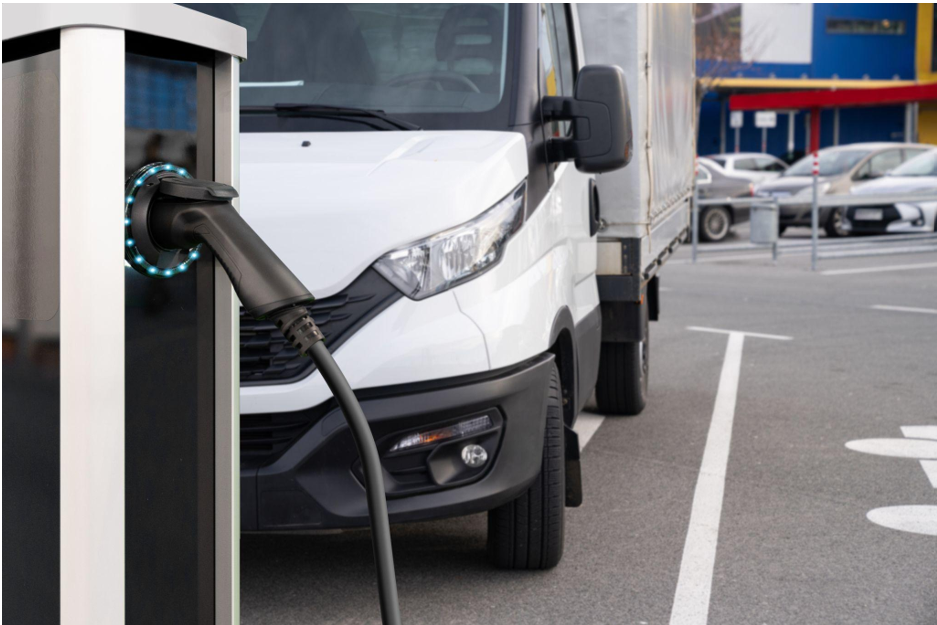
Every EV needs to be charged regularly. For businesses that operate many vehicles at once, it's important to have a reliable charging infrastructure to maintain commercial operations. Electrical connection failures, damaged charging cables, software failures, and even ventilation failures can cause problems ranging from charging interruptions to safety hazards.
Without a reliable charging system, vehicles may be rendered unusable even when they're mechanically sound. These charging systems need professional maintenance so they can charge as many vehicles as the business requires. EV techs are responsible for performing software updates, conducting regular inspections and tests, cleaning the equipment, and making repairs as needed.
Traditional Vehicle Systems Still Require Maintenance
EVs have many traditional vehicle components that need to be maintained, such as tires, brakes, lights, windshield wipers, cabin air filters, and other parts. Although regenerative braking can reduce necessary brake maintenance, every EV technician needs to be able to maintain these traditional systems. A well-run EV fleet will have a schedule for inspecting traditional vehicle systems.
EVs are inspected at regular intervals based on time or mileage. Components like tires, brakes, and windshield fluid are inspected during these maintenance activities. In addition to performing the mechanical maintenance, technicians must also be capable of documenting work done.
Managing Fleet Downtime and Total Cost of Ownership
Uptime matters in a commercial fleet. Maintaining the fleet can help keep vehicles operational and the business profitable. Teams that maintain EV fleets need clearly defined procedures to determine who works on what, and who is qualified to do which tasks.
EV fleets need a system for performing maintenance and vehicle diagnostics. EVs produce a lot of data that allows technicians to evaluate the health of the vehicle and perform predictive maintenance before the vehicle breaks down. Effective maintenance planning is an important part of keeping an EV fleet operational and efficient.
New Opportunities for EV Service Providers
If you are an EV technician, you can use EV data and predictive diagnostics to keep your fleet in excellent condition. Data-driven maintenance opens a whole new world for maintaining vehicles and preventing breakdowns on the road. Performing inspections, running battery diagnostic tests, and keeping up with high-voltage system service helps make EVs more efficient and reliable than internal combustion vehicles.
Skills Future EV Technicians Need
If you are considering becoming an EV technician, you will need a range of skills to work on electric vehicles, including:
Knowledge of battery technology and battery management systems
Electrical fundamentals
High-voltage safety
Thermal management
EV diagnostics
If you are an automotive technician who currently works on internal combustion engines, you can build on your mechanical experience by learning EV-specific skills. EVs are the way of the future, and adding these skills to your knowledge base can help prepare you for the next generation of fleet vehicles.
Preparing for the Future of EV Fleet Maintenance
Commercial EVs are more common than ever. Companies with commercial vehicles prioritize fleet maintenance and care to keep their products and services available to customers. EV technicians are expected to play an important role in supporting the continued growth of EV fleets in Canada and the United States. If you're seeking a career with long-term growth potential, this is an excellent time to become an EV technician.
Ready to get started? EV Technician Training allows you to earn a certificate as an EV Technician. To learn more about EV Technician Training, speak to a George Brown Polytechnic Program Coordinator today at 1-888-553-5333, or email us at [email protected].